TTEOK
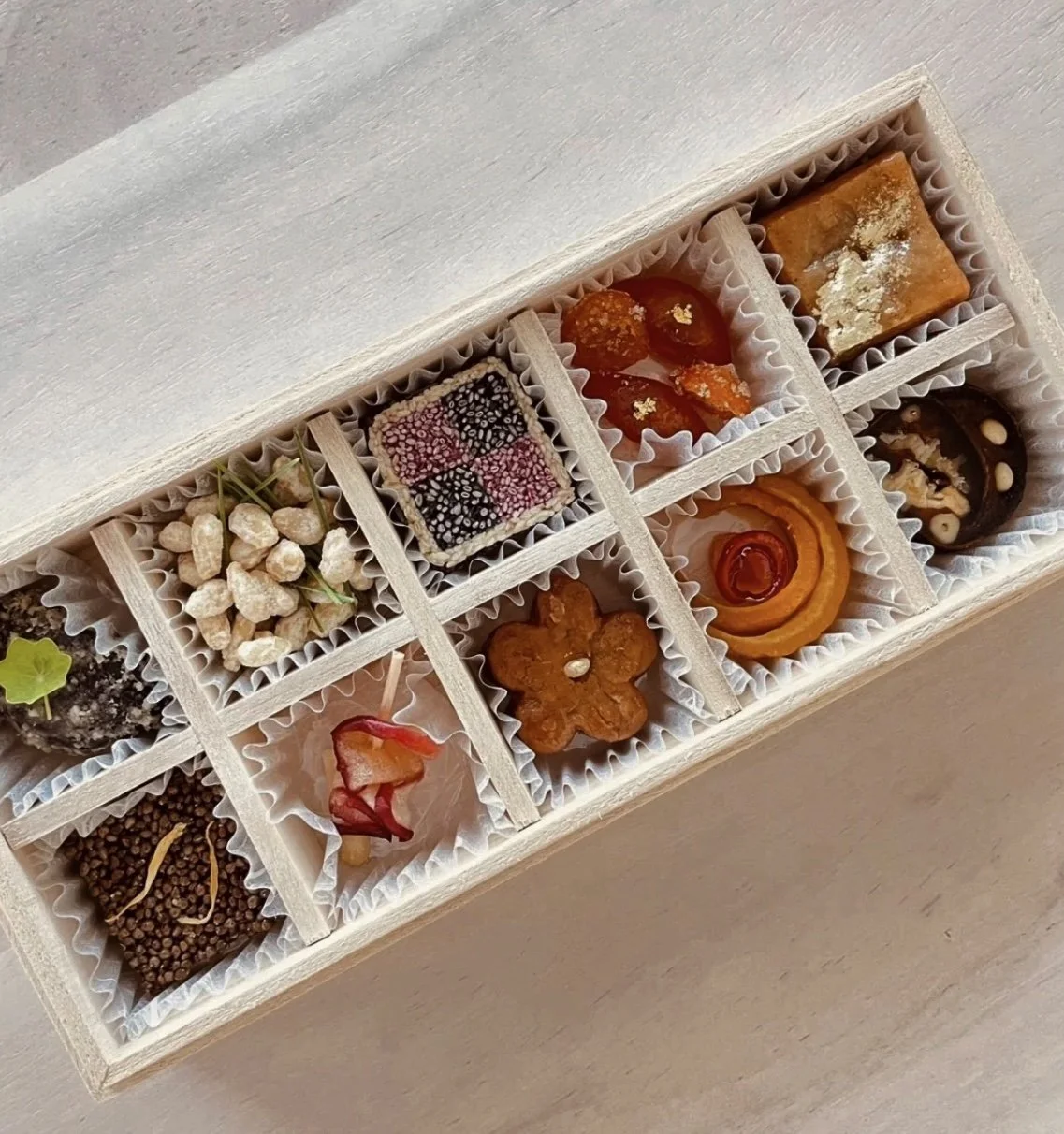
Rooted in Korean tradition, MIGAAM's handcrafted Korean tteok (rice cakes) celebrate natural ingredients, delicate flavors, and thoughtful craftsmanship.
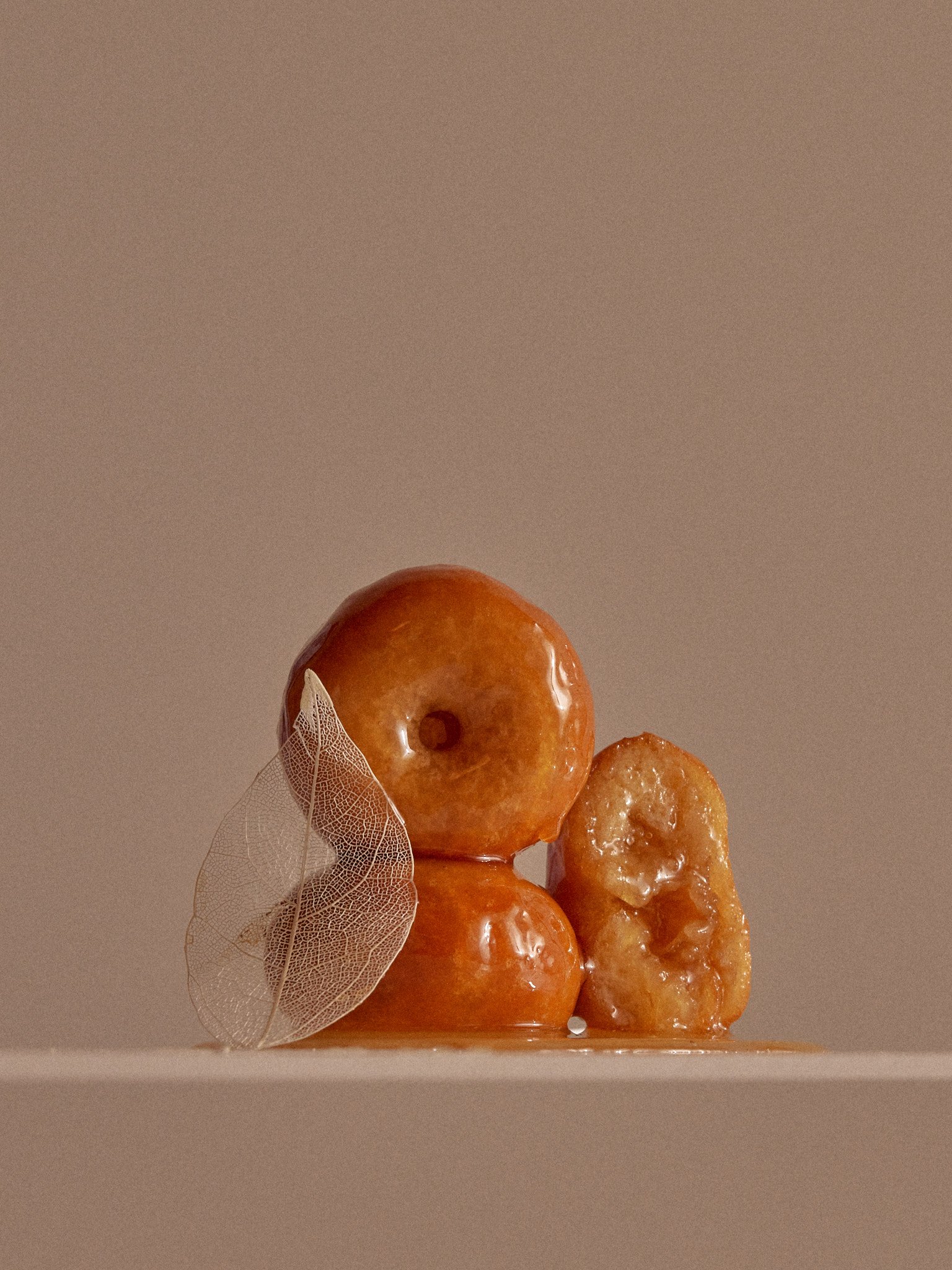
GAESUNG JUAK
A traditional delicacy from the Gaesung region, made from dough mixed with makgeolli (rice wine) and glazed in a syrup of sweet rice and honey — no added sugar. Long served at New Year's and other important celebrations, Gaesung Juak has traditionally held the place of honor among festive sweets.
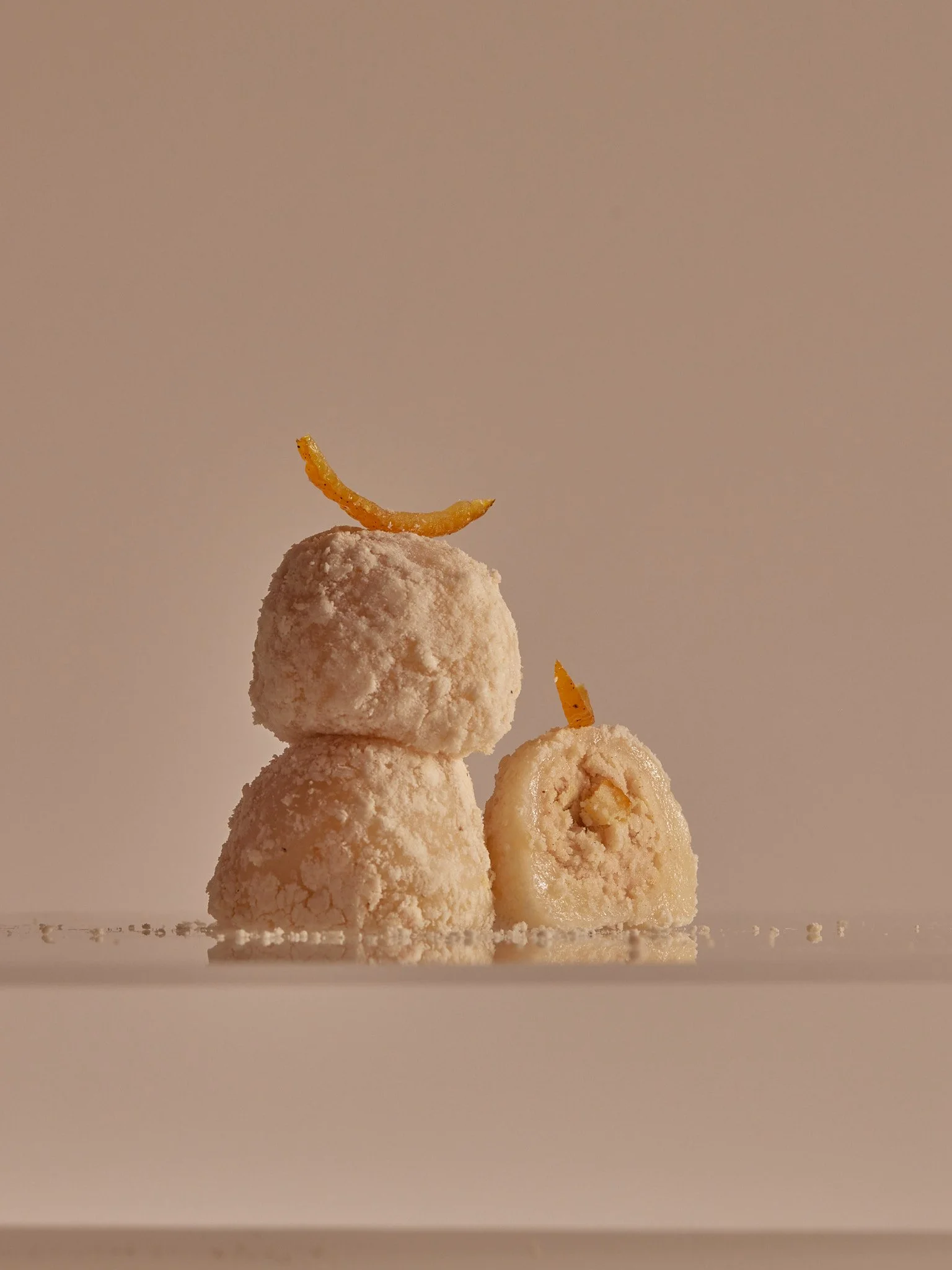
YUJA DANJA
A delicate blend of organic yuja-honey cheong, carefully selected Korean beans, and all-natural sweeteners — no added sugar. The yuja-honey cheong is fermented for three years using exclusively organic yuja and local honey, giving Yuja Danja its signature bright, citrus sweetness.
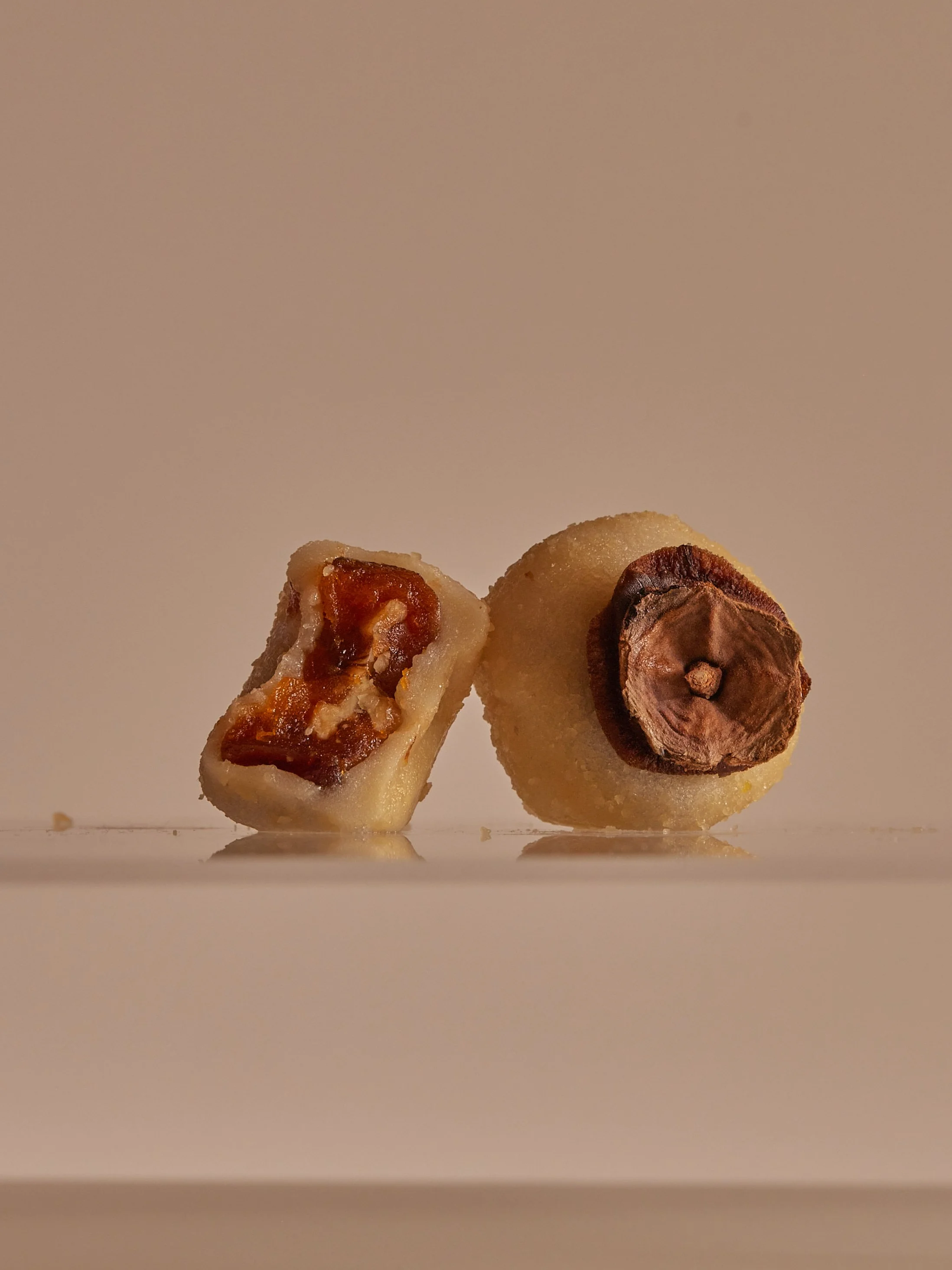
PERSIMMON DANJA
A rice cake made with dried persimmon, walnuts, pine nuts, and honey — carefully combined and shaped into a delicate, beautiful confection.
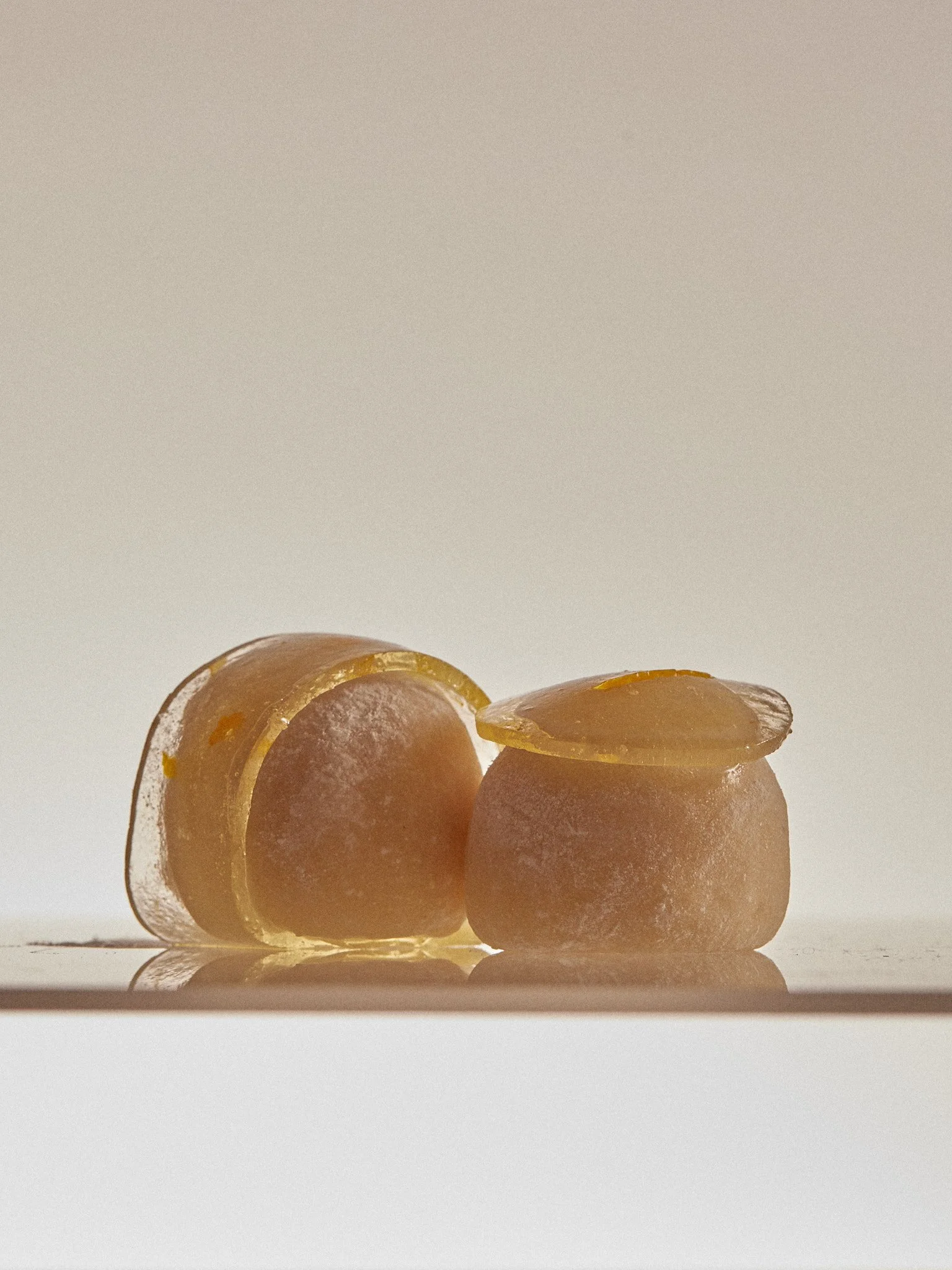
GWAPYUN DANJA
Featured in the renowned Korean culinary guide Gyugonshi's recipe for its exquisite preparation method, Gwapyun is prized for its vivid colors — a favorite for festive occasions, served as both a dish and a dessert.
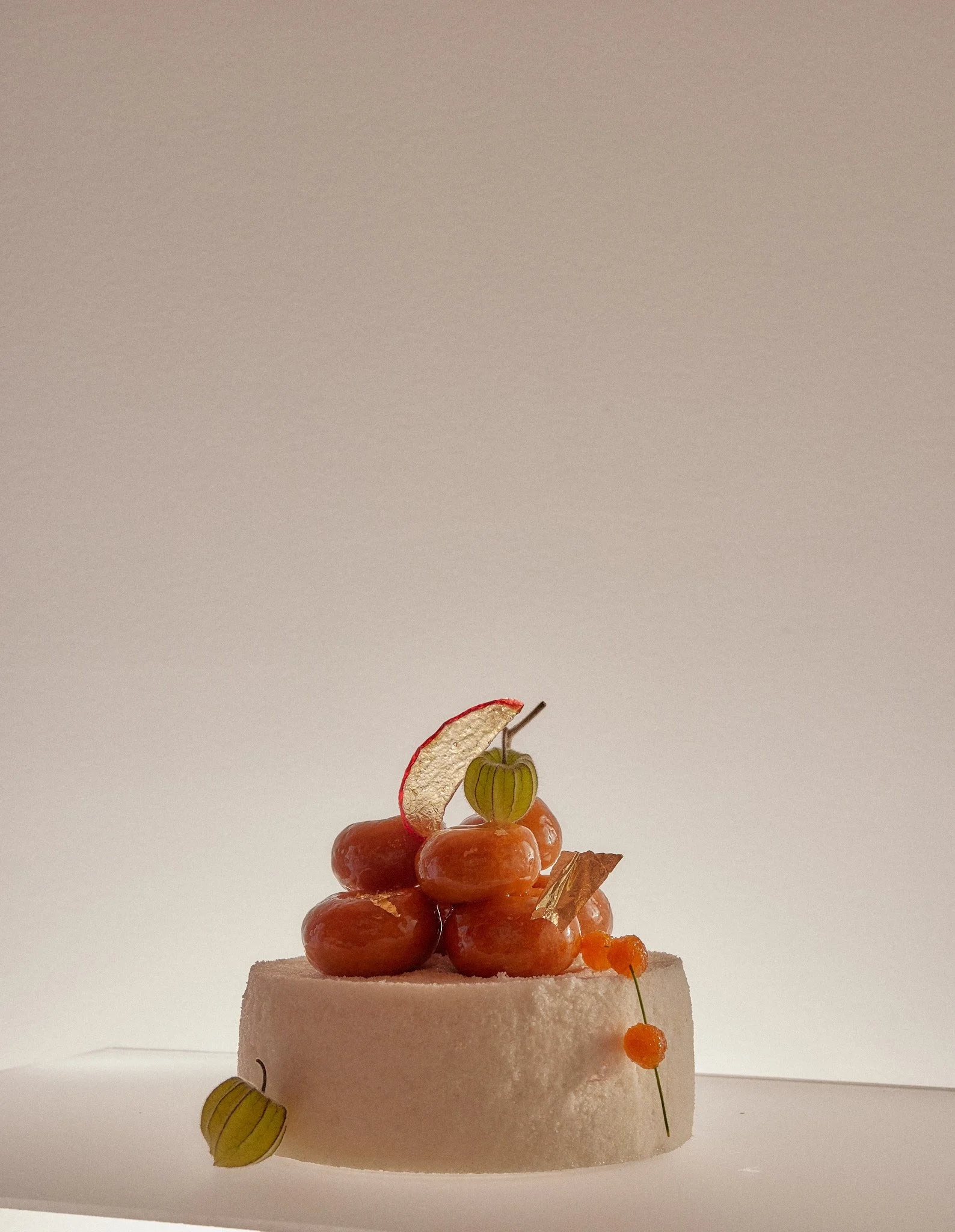
BYUNG-GWA RICE CAKE
Byung-gwa is Migaam's original creation, inspired by wootgi-tteok — the rice cakes traditionally used to adorn banquet tables. We've reimagined this cherished form with our own interpretation, honoring its vibrant colors and distinctive shape. Wootgi-tteok has long been treasured as a symbol of joy and happiness — a beautiful rice cake carrying deep cultural meaning.
HANGWA
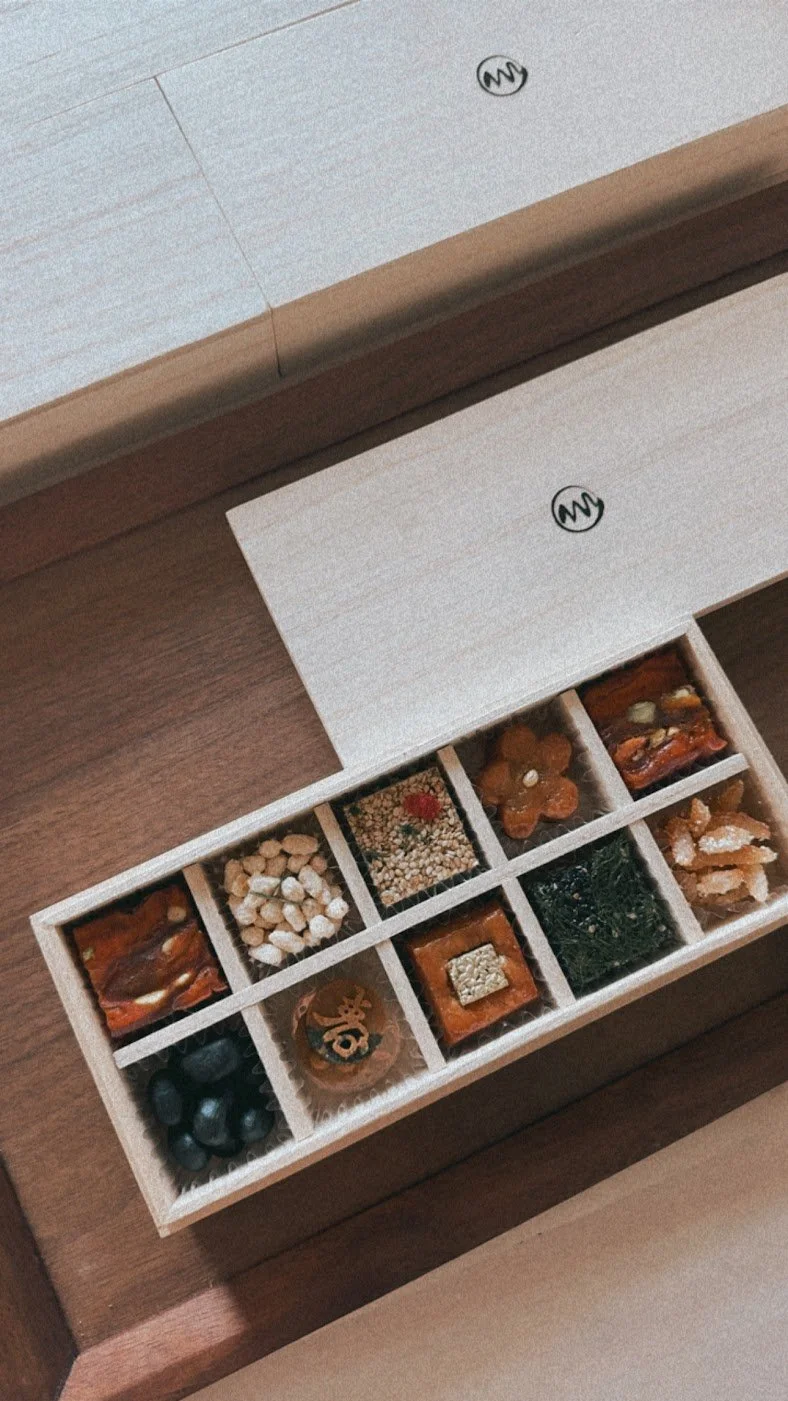
Once reserved for special occasions, hangwa (traditional Korean sweets) have evolved into timeless delicacies, celebrating generations of craftsmanship and tradition.
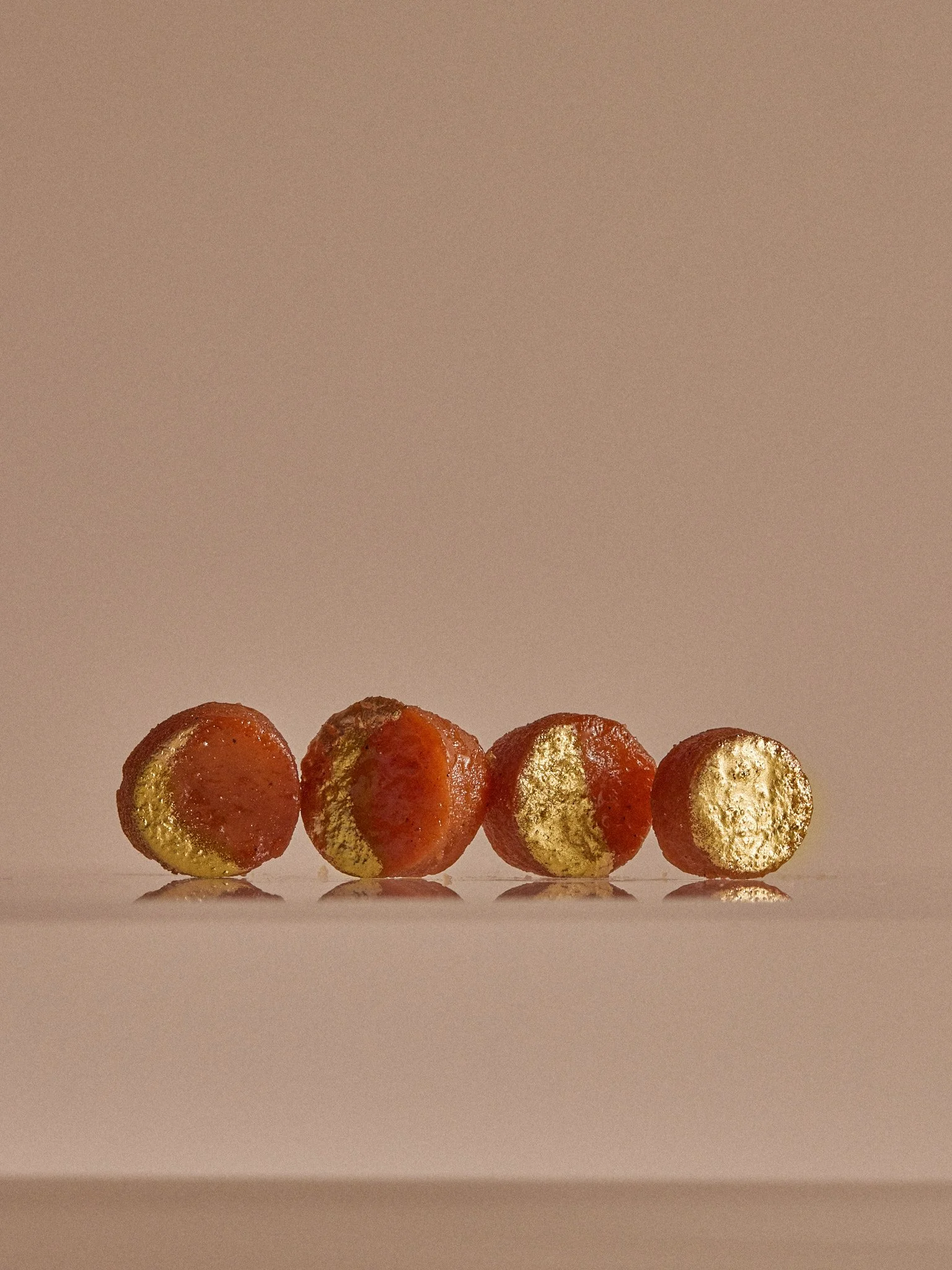
GAESUNG YAKGWA
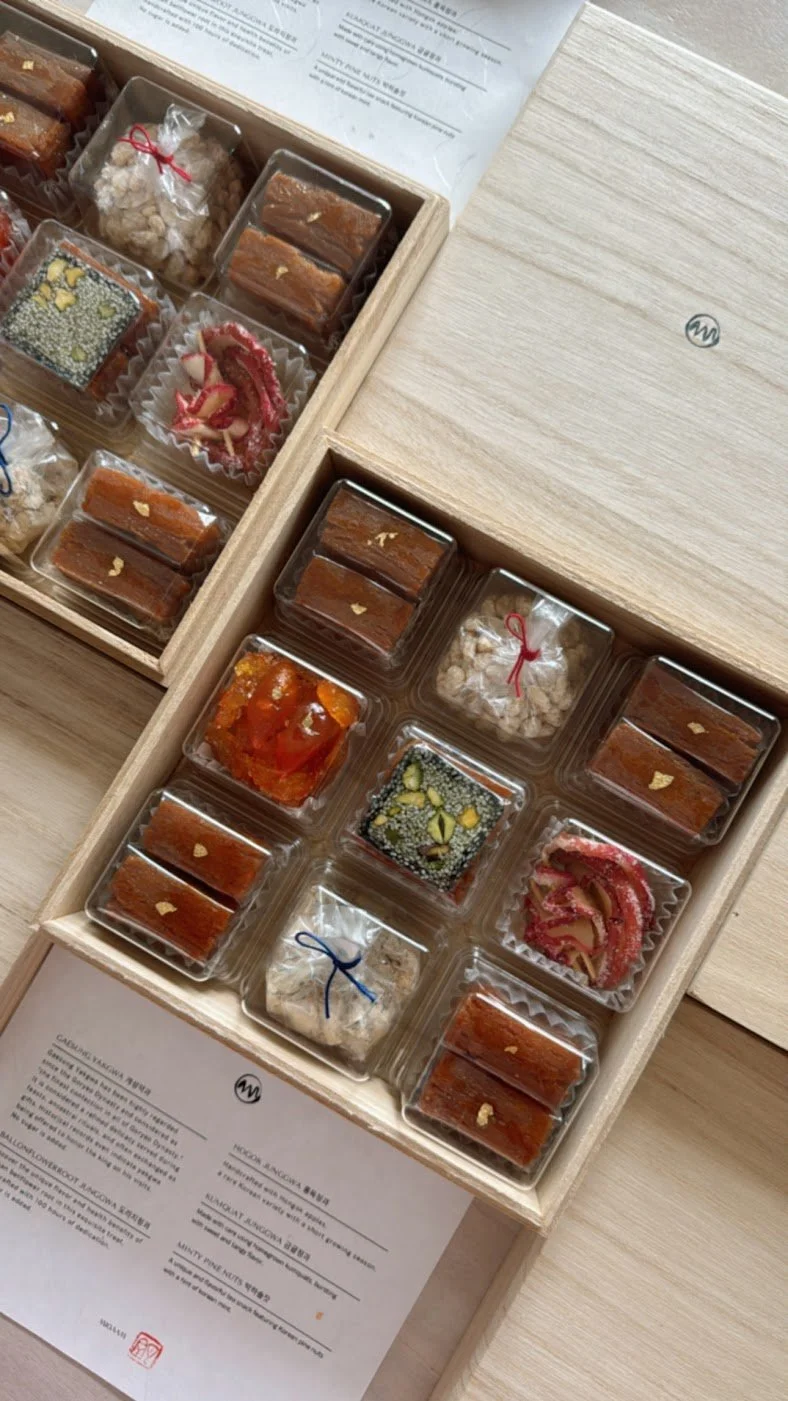
Highly regarded since the Goryeo Dynasty and once called "the finest confection in all of Goryeo," Gaesung Yakgwa has long been a refined delicacy served at feasts, ancestral rituals, and exchanged as gifts. Historical records even note yakgwa being offered in honor of the king during royal visits.
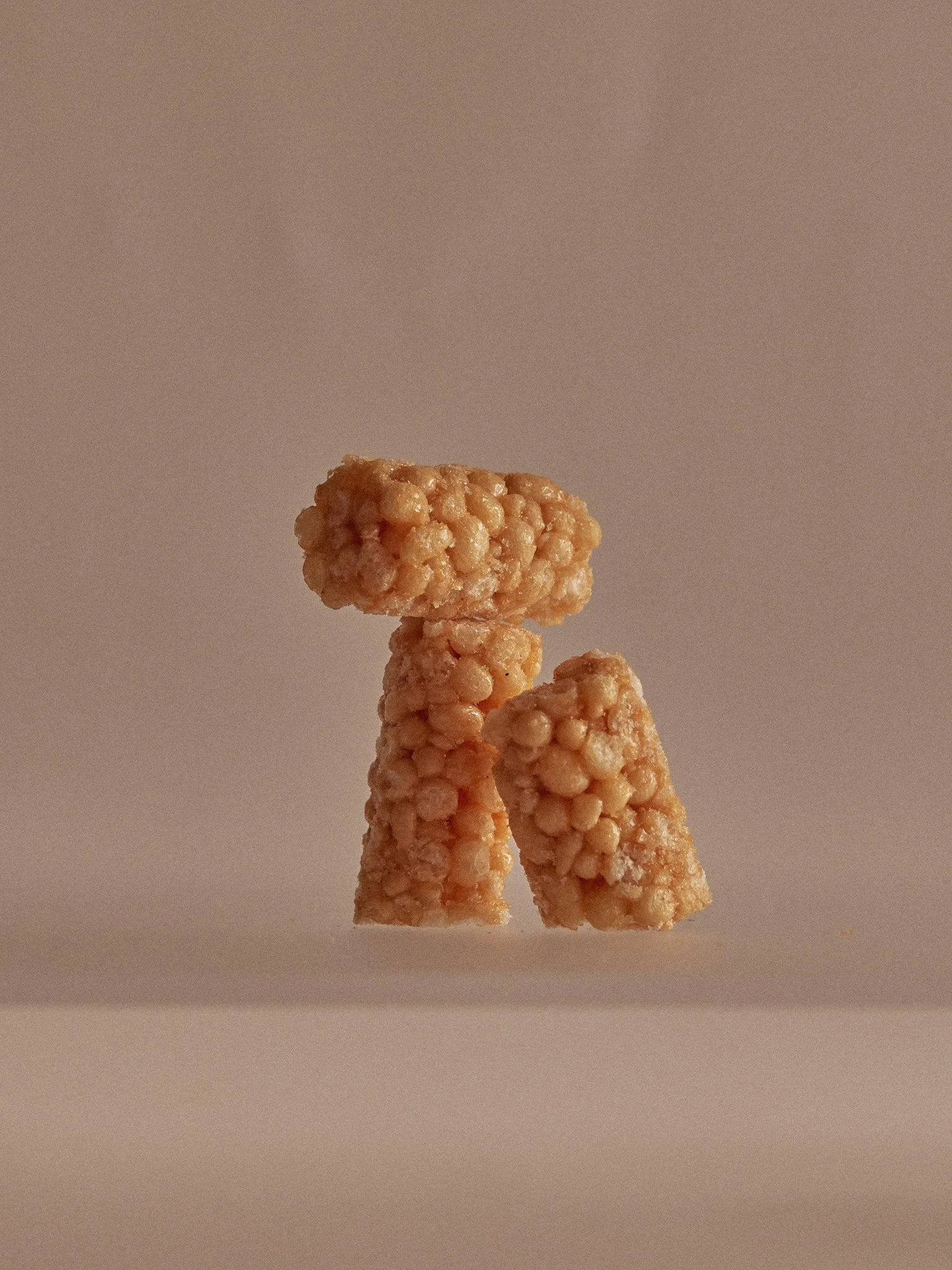
RICE GANGJEONG
A hangwa made from glutinous rice flour — a deep-fried "rice puff," hollow inside, coated in honey or jocheong and finished with crisp puffed rice. Gangjeong is often served at important occasions such as weddings, ancestral rites, and Korean New Year celebrations.
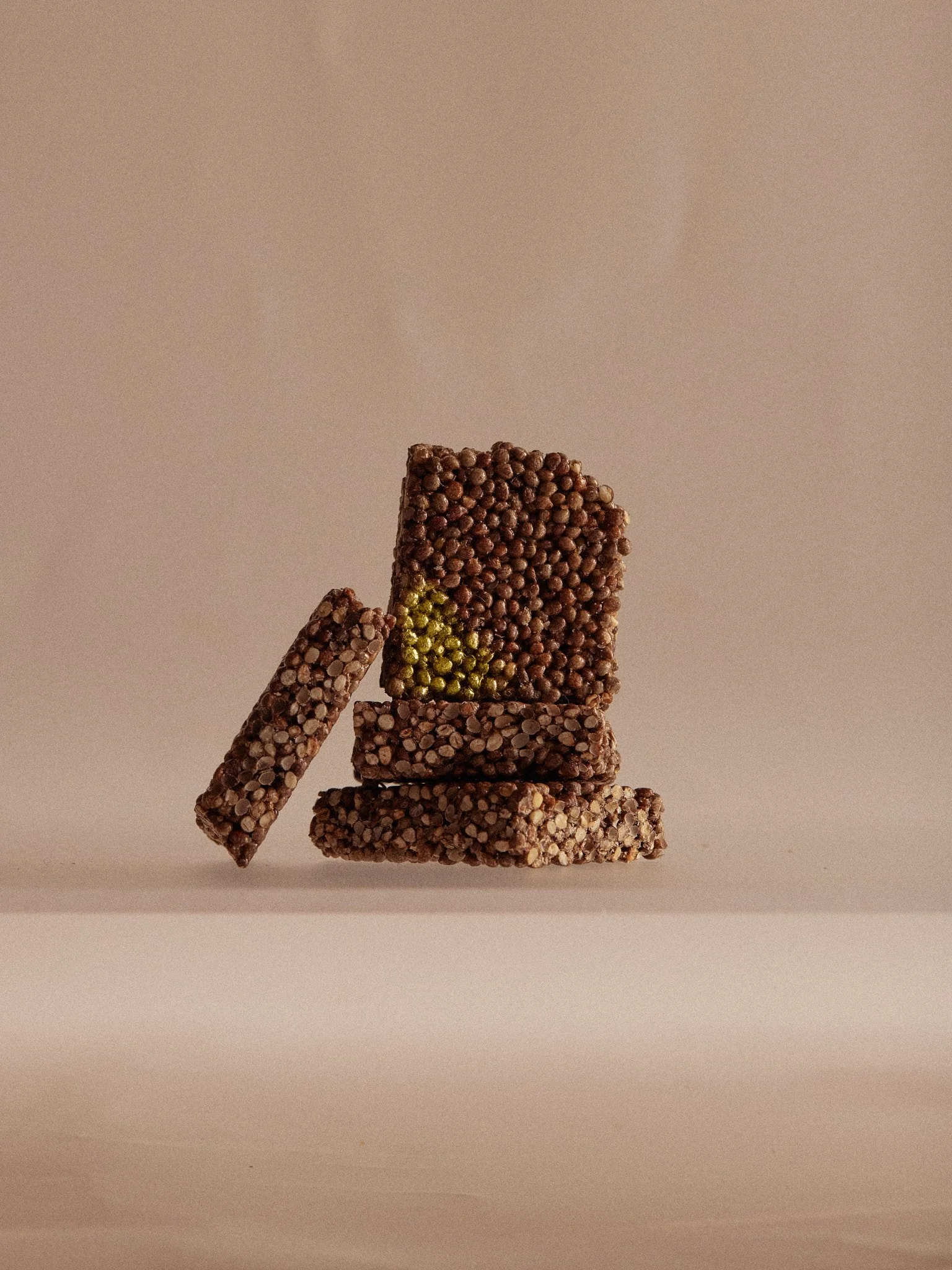
PERILLA SEED GANGJEONG
A hangwa made from glutinous rice flour, coated in honey or jocheong and finished with toasted perilla seeds for a nutty, fragrant crunch. Gangjeong is often served at important occasions such as weddings, ancestral rites, and Korean New Year celebrations.
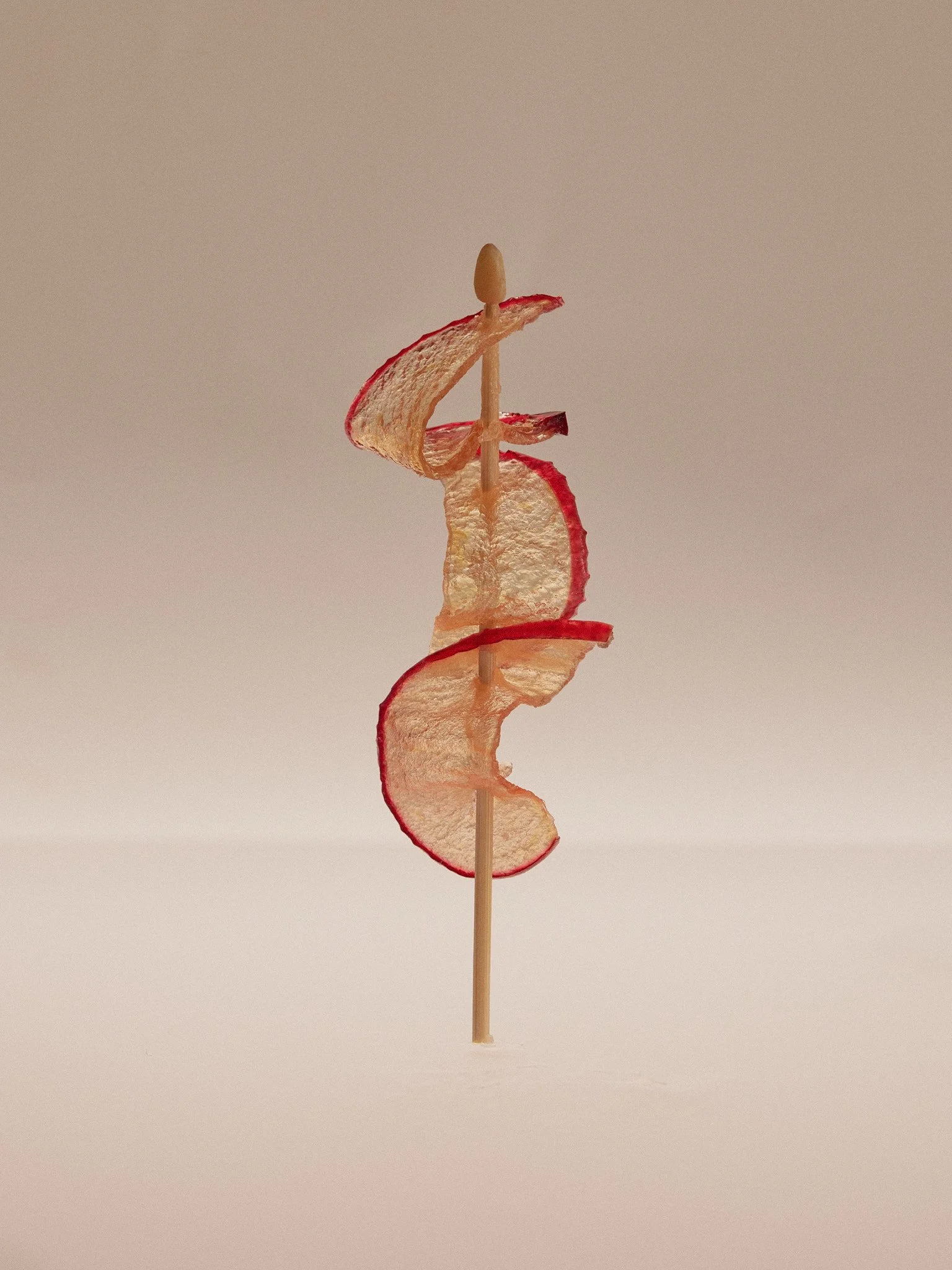
APPLE JUNGGWA
Made with traditional Korean red apples, slowly simmered in honey until tender and glossy. The slow-cooking process draws out a deep, warm sweetness while preserving the apple's natural tartness, resulting in a chewy confection with rich amber color — prepared using authentic methods unique to Migaam.
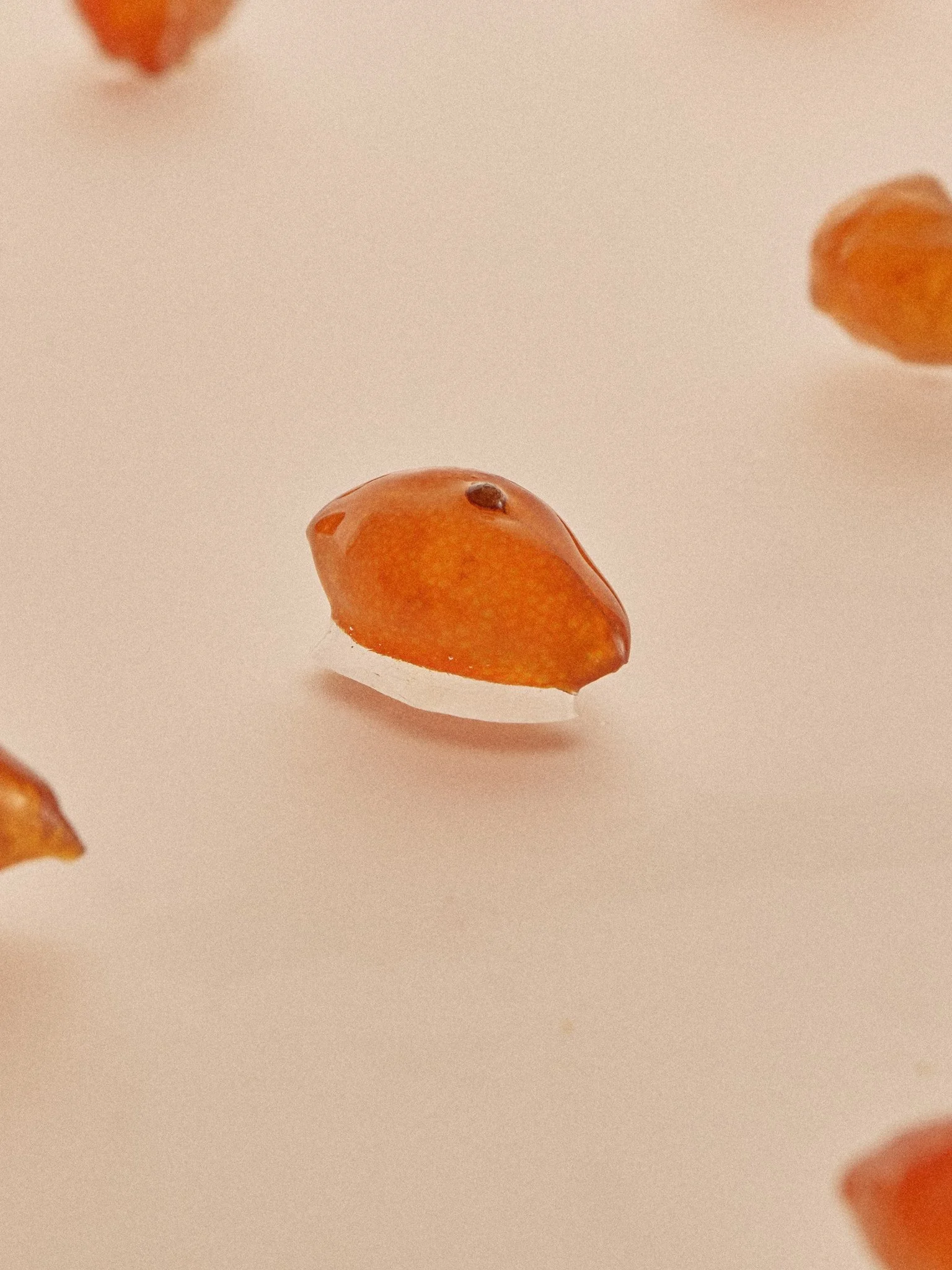
KUMQUAT JUNGGWA
Made with traditional Korean kumquat, slowly simmered whole in honey until soft and translucent. The peel turns tender and sweet while retaining a subtle citrus brightness, resulting in a chewy confection with vivid golden color — prepared using authentic methods unique to Migaam.
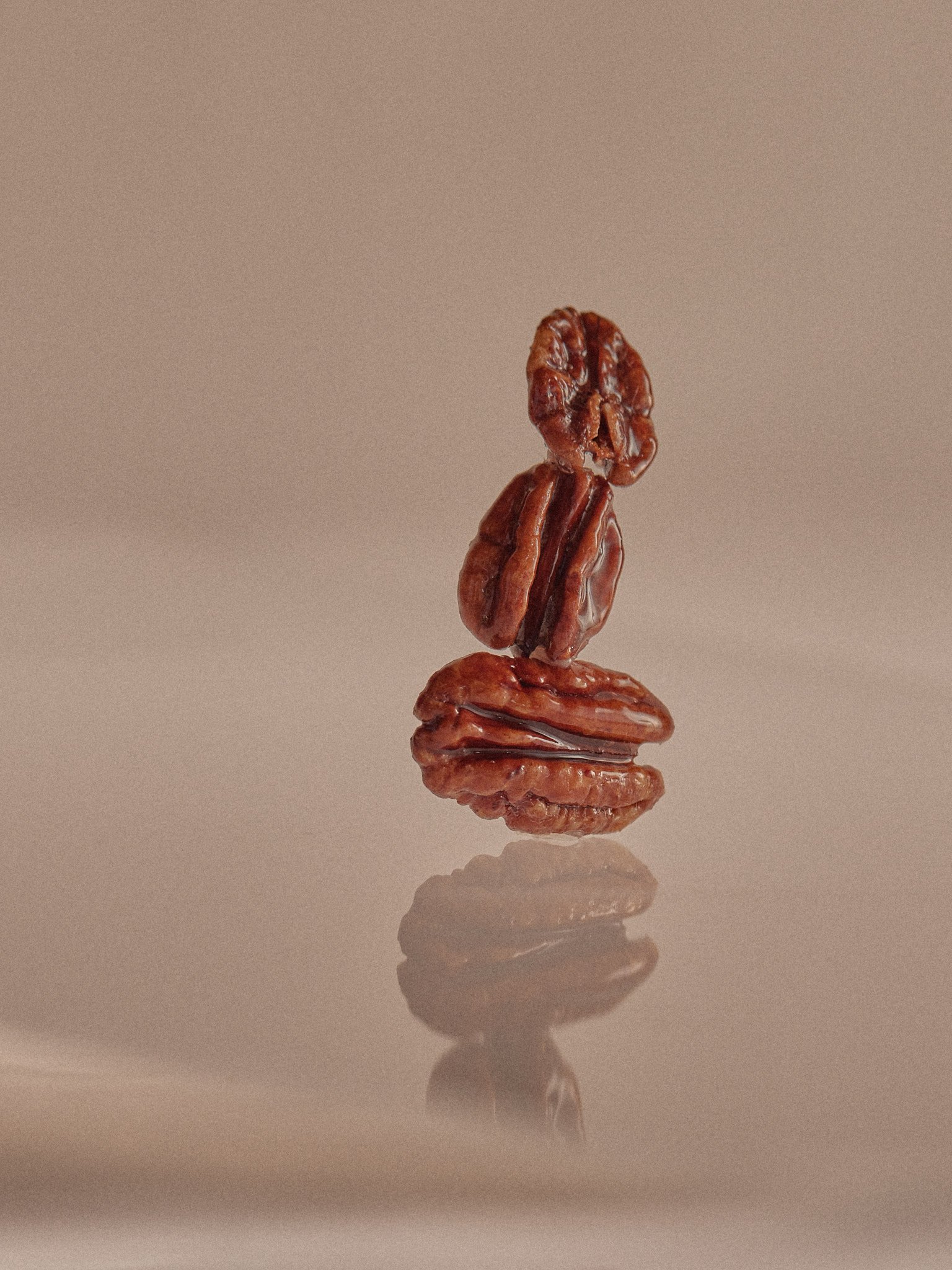
PECAN JUNGGWA
A traditional Korean snack made by coating pecans in honey and syrup, then baked to a rich, crisp finish. Can be stored for an extended period when kept frozen.
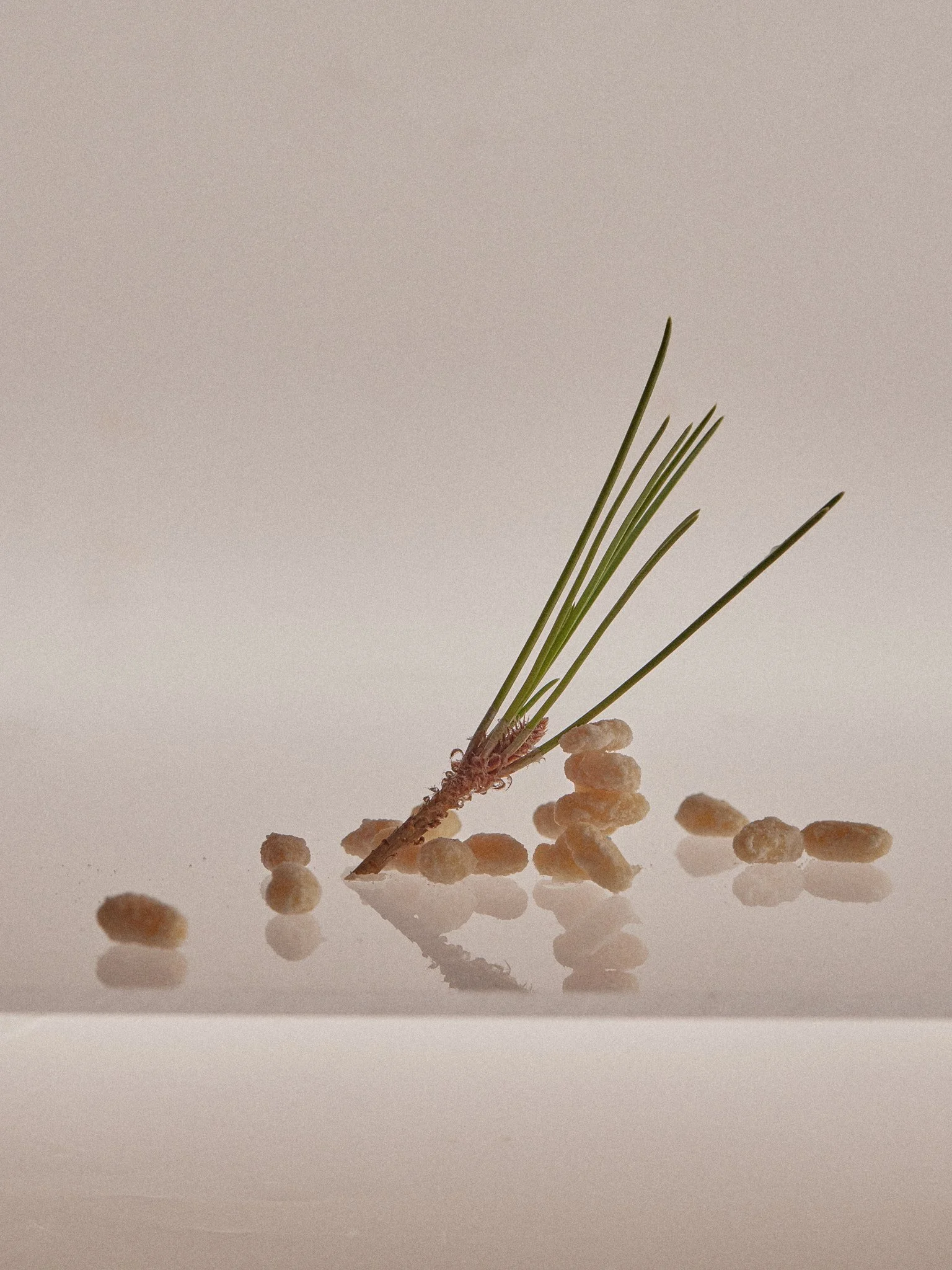
MINTY PINE NUTS
Delicately crafted pine nuts with a light sweetness and a subtle hint of Korean mint fragrance.
DRIED PERSIMMON WRAP
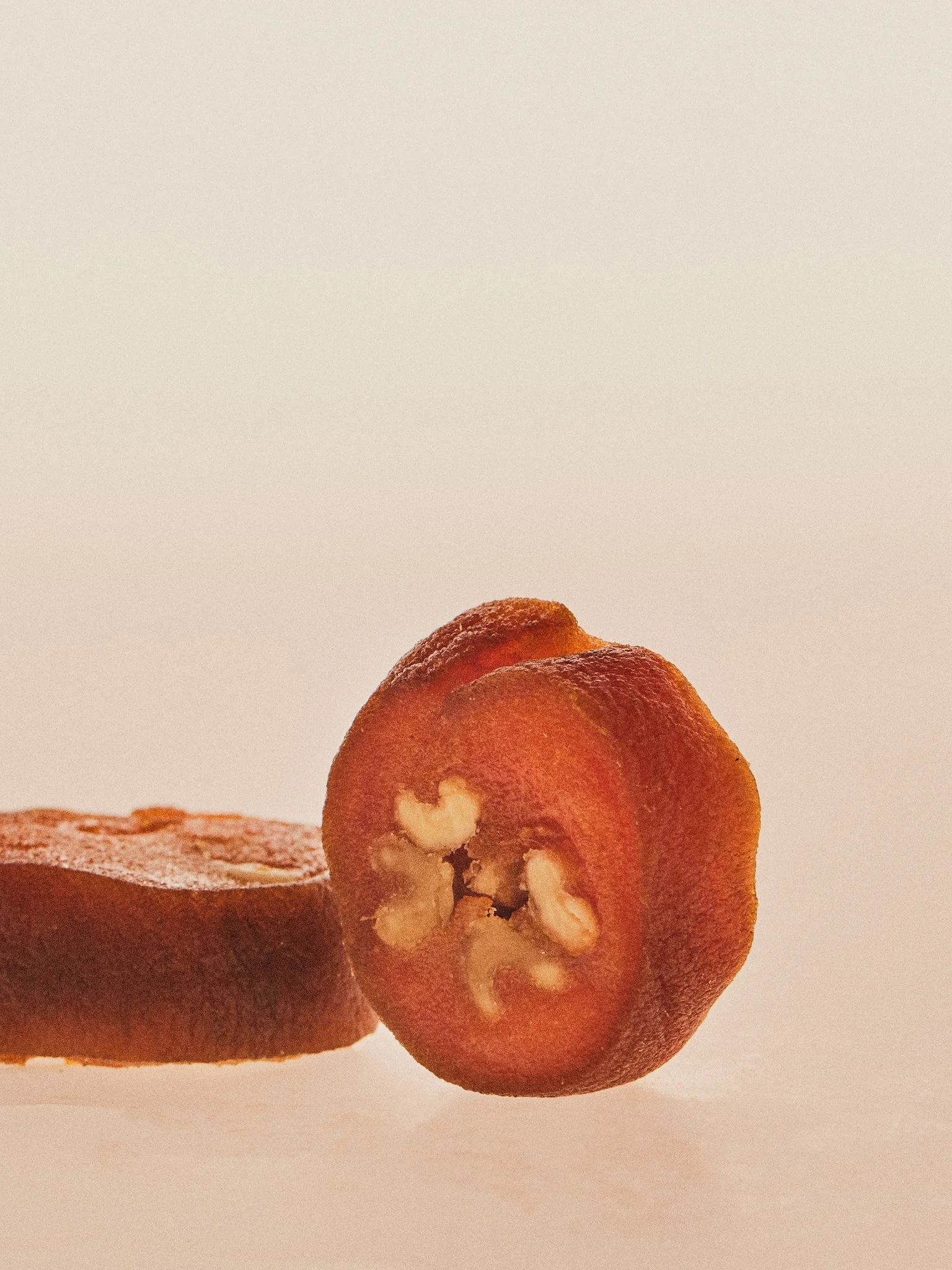
A delicacy made from well-dried local persimmons, wrapped around walnuts and pine nuts.
GWAPYUN
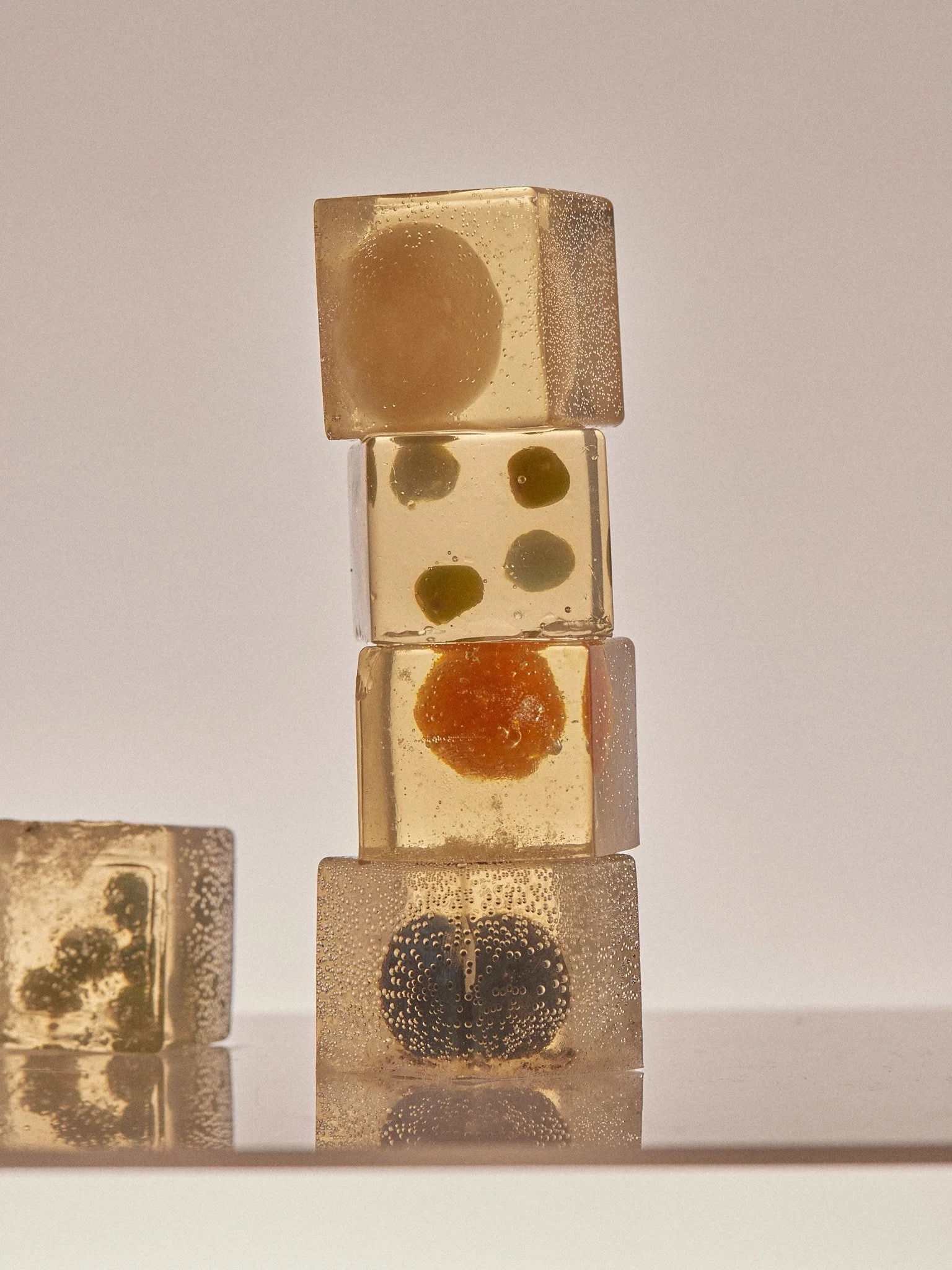
An original Migaam reinterpretation of gwapyun, a traditional hangwa, shaped by a multicultural design sensibility. Drawing inspiration from Alessandro Mendini's 1968 Cubosfera lamps, this piece brings together rice cakes, confections, and other natural ingredients into a single composition.
sEASONAL GIFT SETS
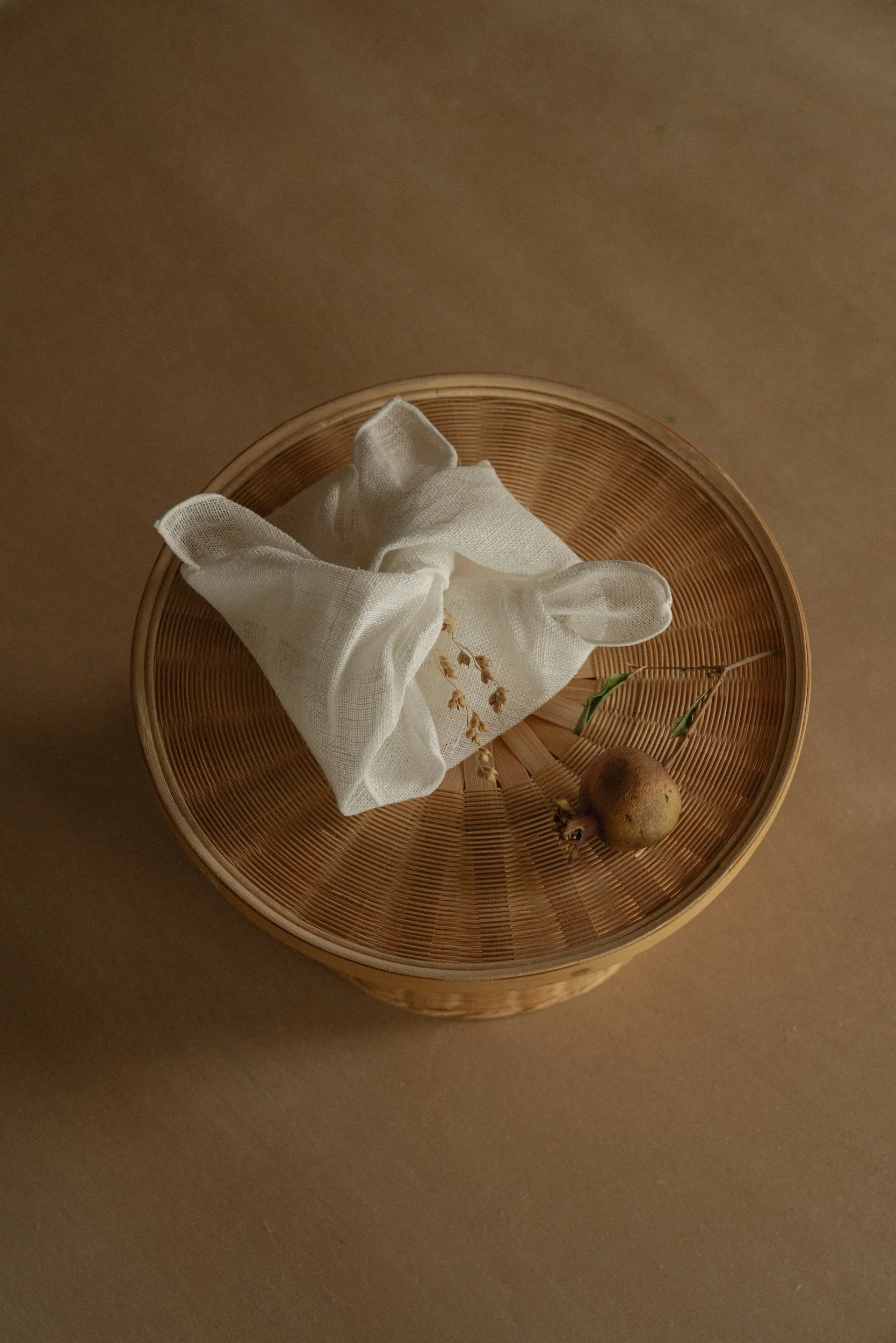
We’ll be releasing seasonal gift sets throughout the year — stay tuned, and sign up for our newsletter to be the first to know when a new collection drops.